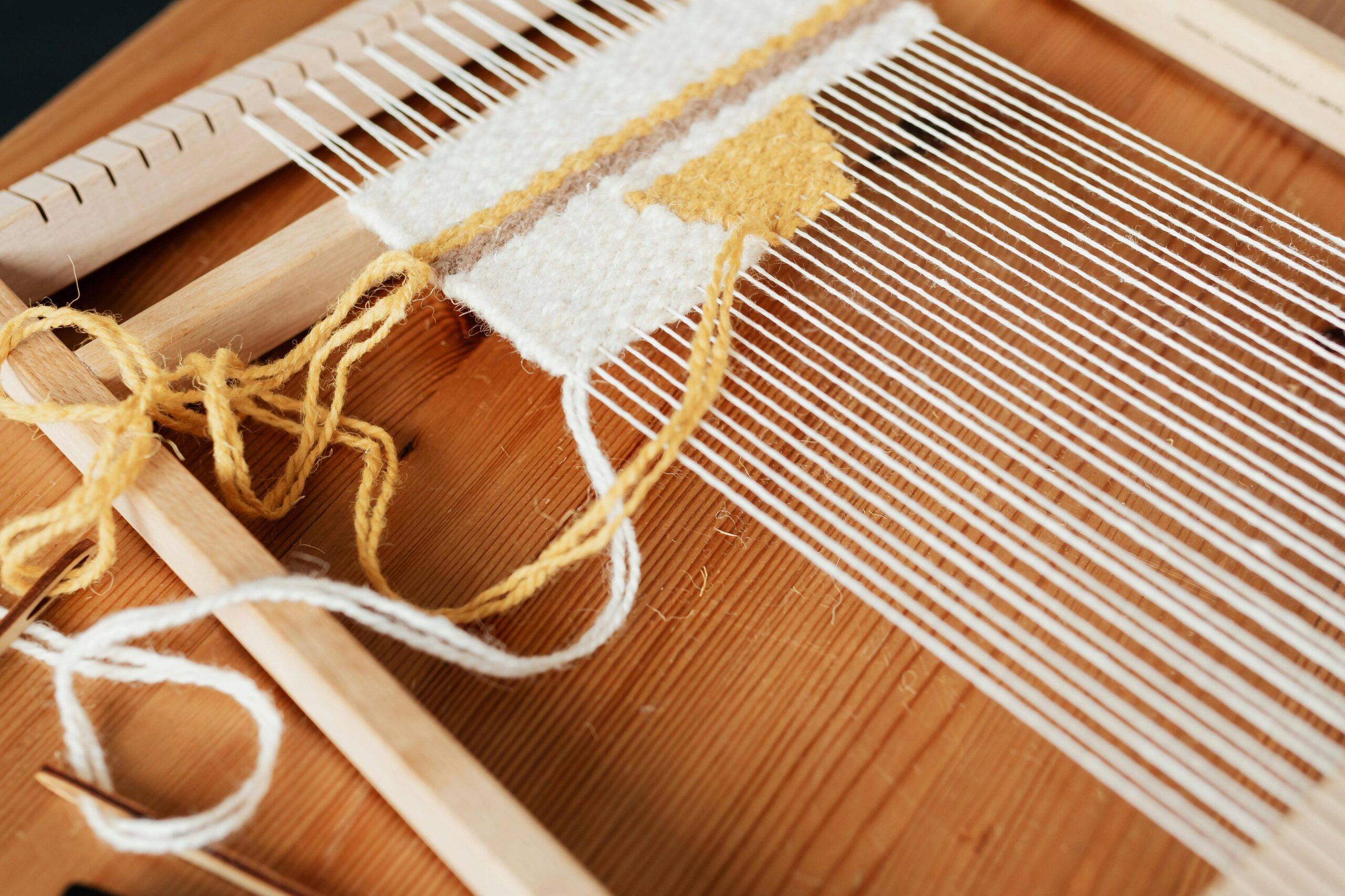
Pricing your handmade crafts can be one of the most challenging aspects of running a small creative business. If priced too high, you risk losing potential customers; priced too low, and you may undervalue your hard work and materials. Striking the right balance is essential for making a profit while remaining competitive in the marketplace.
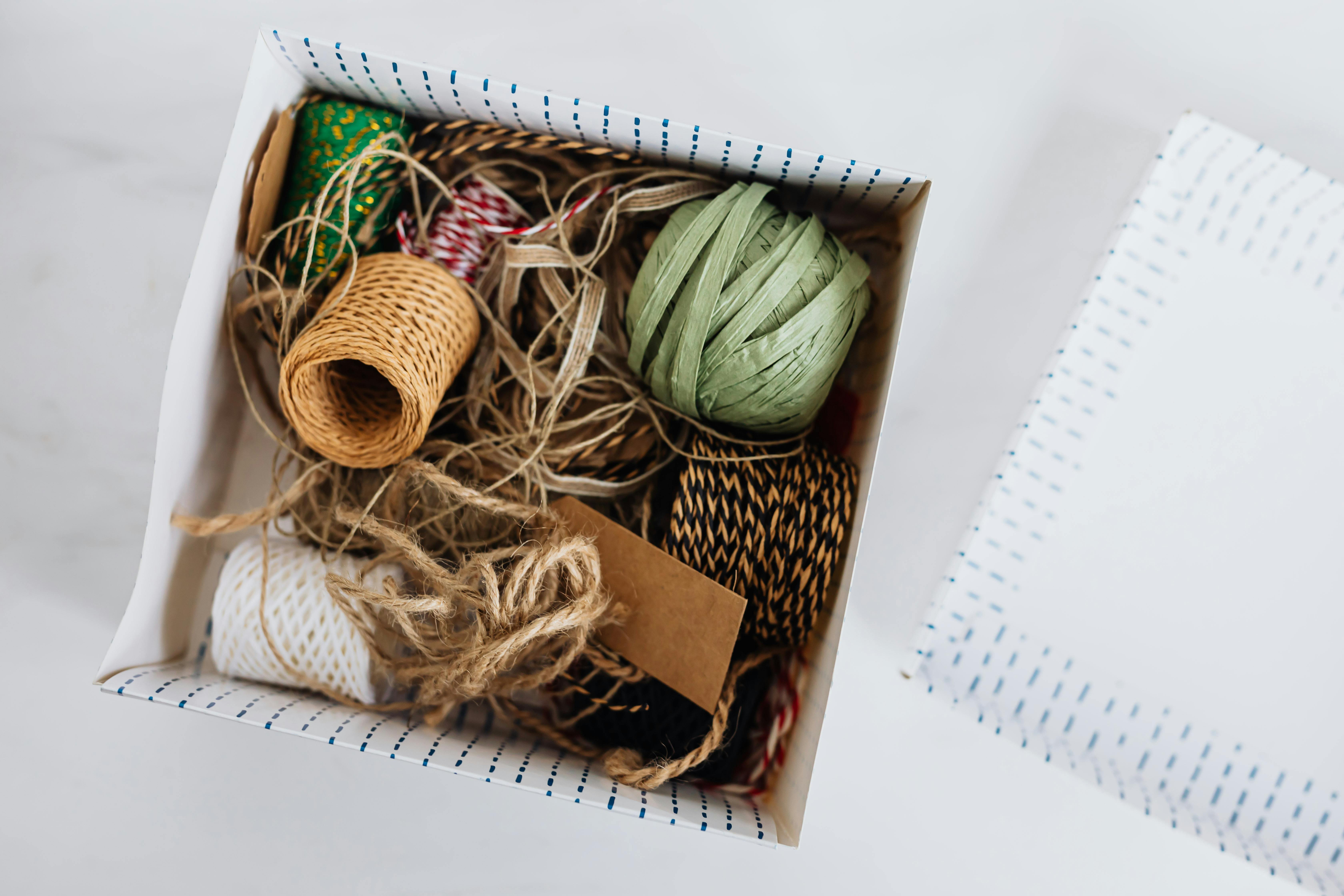
First, start by calculating your cost of materials. This includes everything from the raw materials such as yarn, fabric, clay, or wood, to any packaging or labeling you use. Don’t forget to consider smaller costs like thread, paint, or embellishments that add up over time.
Next, factor in the time spent on creating each item. While it might be tempting to overlook your labor, your time is valuable. Decide on an hourly wage that you feel reflects the level of skill and effort you put into your work, then multiply it by the number of hours required to complete the product.
In addition, include overhead expenses such as workshop rent, tools, utilities, website fees, and marketing costs. These are indirect but necessary expenses to keep your crafting business running smoothly.
Research your target market and competitors. Look at similar handmade items online and in local stores to see their price ranges. This market comparison will help you understand what customers are willing to pay and how your pricing can stand out.
Another strategy is to build in a profit margin to ensure your business grows over time. A typical profit margin for handmade goods can range from 20% to 50%, depending on the niche and demand. Remember, consistent profits allow you to reinvest in your craft and improve your products.
Lastly, don’t forget to review and adjust your prices periodically. As your skills improve, materials change, or market demand shifts, your pricing may need to evolve. Stay flexible and responsive to maintain a healthy balance between fair pricing and profitability.
By carefully calculating costs, valuing your time, researching your competition, and planning for profits, you can price your handmade crafts confidently. These strategies will help ensure your creative efforts are appropriately rewarded while attracting and retaining loyal customers.



This post really helped me rethink how I price my crafts. I used to undervalue my time, but now I’m more confident asking for what I deserve!
Great tips! I especially like the reminder to include overhead costs—something I often forget when pricing.
Thanks for sharing these insights. Competitive pricing without undervaluing the work is definitely a balancing act.
The suggestion to regularly revisit prices is so important. The market changes so fast, and we need to adapt accordingly.
I appreciate the inclusion of profit margins. It’s a step I often neglected, but it makes total sense to ensure business growth.